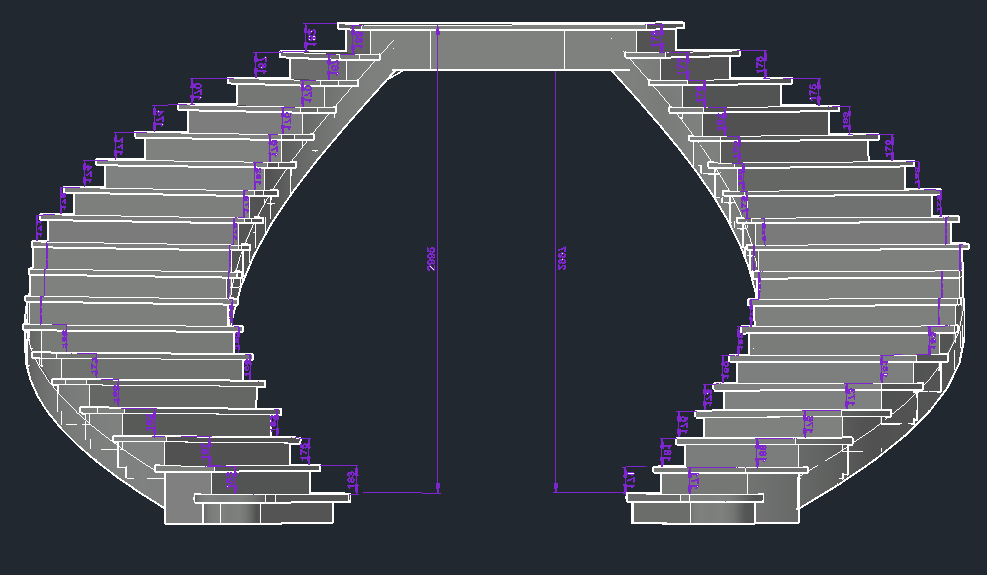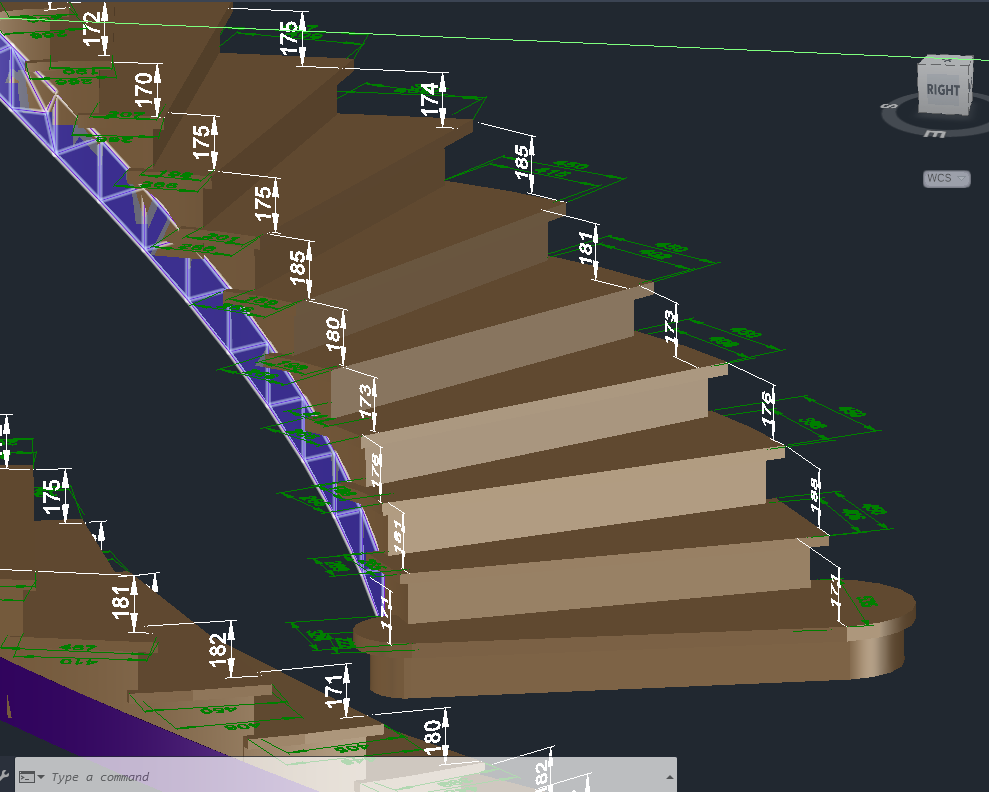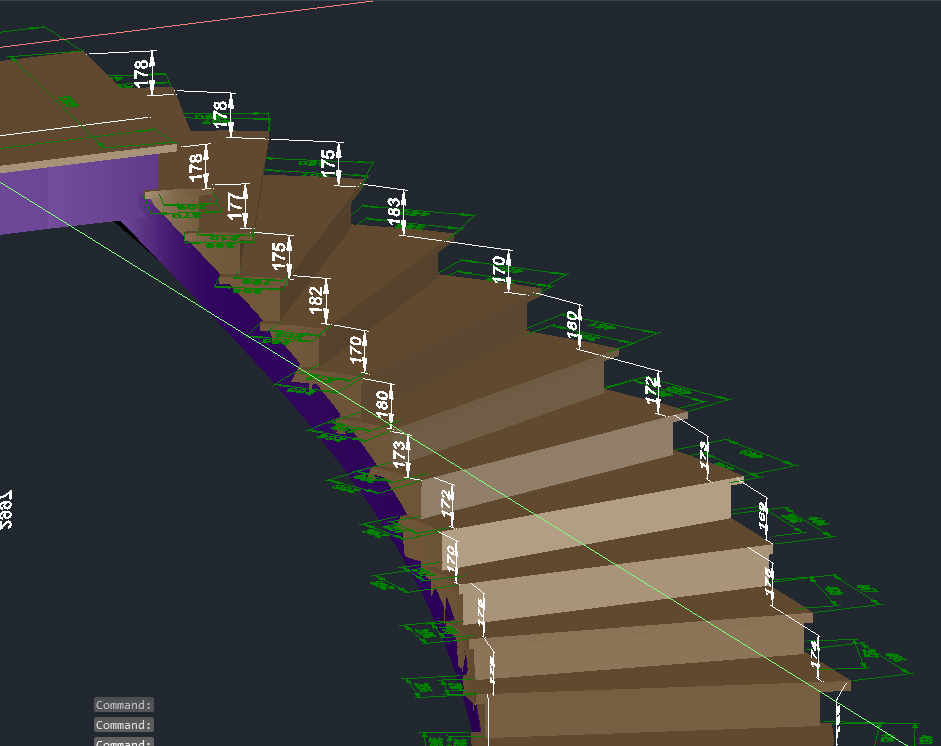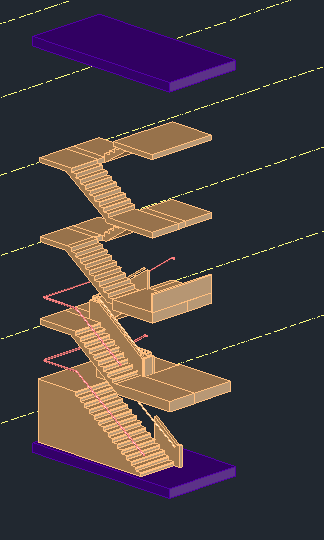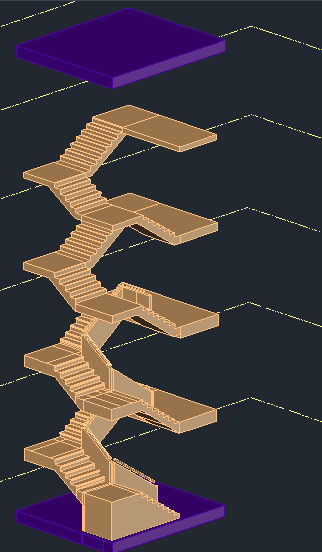

Designing stair balustrades demands precision, safety, and a perfect fit. Traditional measuring methods often fall short, especially with curved or complex staircases. 3D laser scanning provides an accurate digital capture of existing stairs, allowing designers and fabricators to create balustrades that integrate seamlessly with the as-built conditions — saving time, reducing errors, and delivering superior results.
Using 3D Scanning to Transform Stairs Balustrade Design
Designing a stairs balustrade is more than just aesthetics; it’s about precision, safety, and seamless integration with the existing structure. Whether you’re renovating a heritage home, redesigning a commercial interior, or fabricating a custom balustrade, 3D laser scanning offers a smarter way to capture the true geometry of your stairs and surrounding elements.
In traditional workflows, detailed measurements of stairs, including risers, treads, curves and angles, are taken manually with tape measures and levels. Not only is this time-consuming, but it can also lead to inaccuracies, especially in complex or unconventional stair configurations. 3D scanning changes that.
What Is 3D Scanning for Balustrade Design?
3D scanning uses advanced laser technology to capture millions of data points across the entire stair structure. These points form a highly accurate point cloud a digital representation of the physical space that records every surface and detail down to millimetre precision. From this dataset, designers and fabricators can model the balustrade in CAD or BIM software with confidence that their design will fit exactly on site.
This digital capture includes all elements relevant to balustrade design, such as step dimensions, angles, landing positions and any irregularities in the stair’s rise or run.
Key Benefits of Using 3D Scanning for Balustrade Projects
1. Exceptional Accuracy
Laser scanning captures geometric details far beyond what traditional measurements can achieve. This ensures your balustrade design fits perfectly, reducing costly rework or onsite adjustments.
2. Faster Project Delivery
With point cloud data captured in minutes, designers spend less time measuring and more time designing. Scans can be processed into usable CAD or BIM files quickly, helping accelerate design and fabrication workflows.
3. Better Design Confidence
With an accurate digital twin of the stairs, designers can visualise how various balustrade styles and materials will work in the space, improving design decisions and stakeholder approvals.
4. Reduced Risk of Error
Manual methods are prone to human error, especially on curved or spiral stairs. A laser scan eliminates guesswork, capturing precise surface detail that’s critical for complex balustrade geometry.
How It Works From Site to Fabrication
1. On-Site Scanning
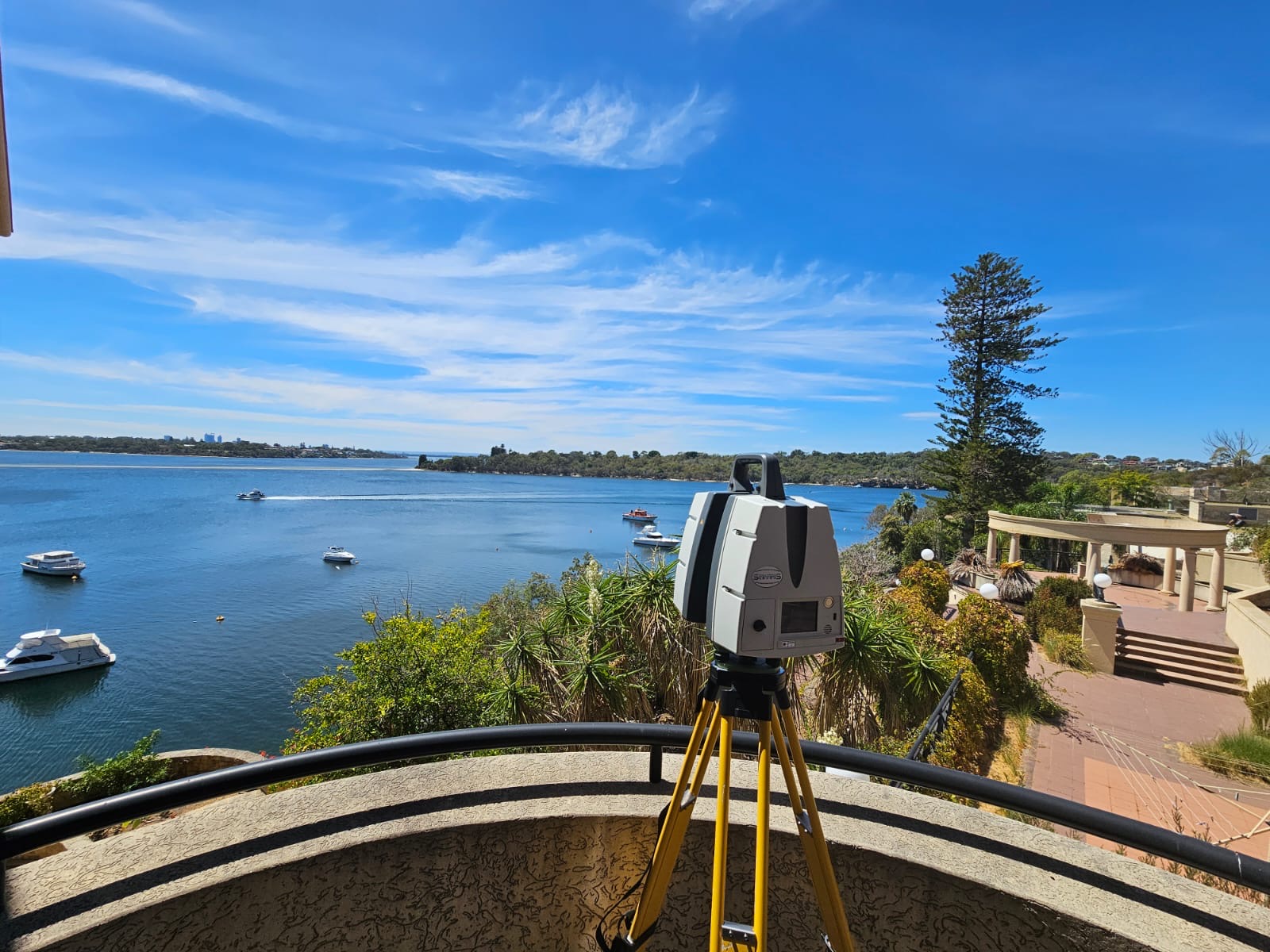
Our team uses state-of-the-art laser scanners to survey the stairs and surrounding areas. This process is non-intrusive and highly efficient, capturing the entire stair structure with minimal disruption.
2. Point Cloud Processing
The raw scan data is cleaned and aligned into a coherent point cloud dataset. This dataset becomes the foundation for design, allowing accurate extraction of dimensions and features.
3. Design and Modelling
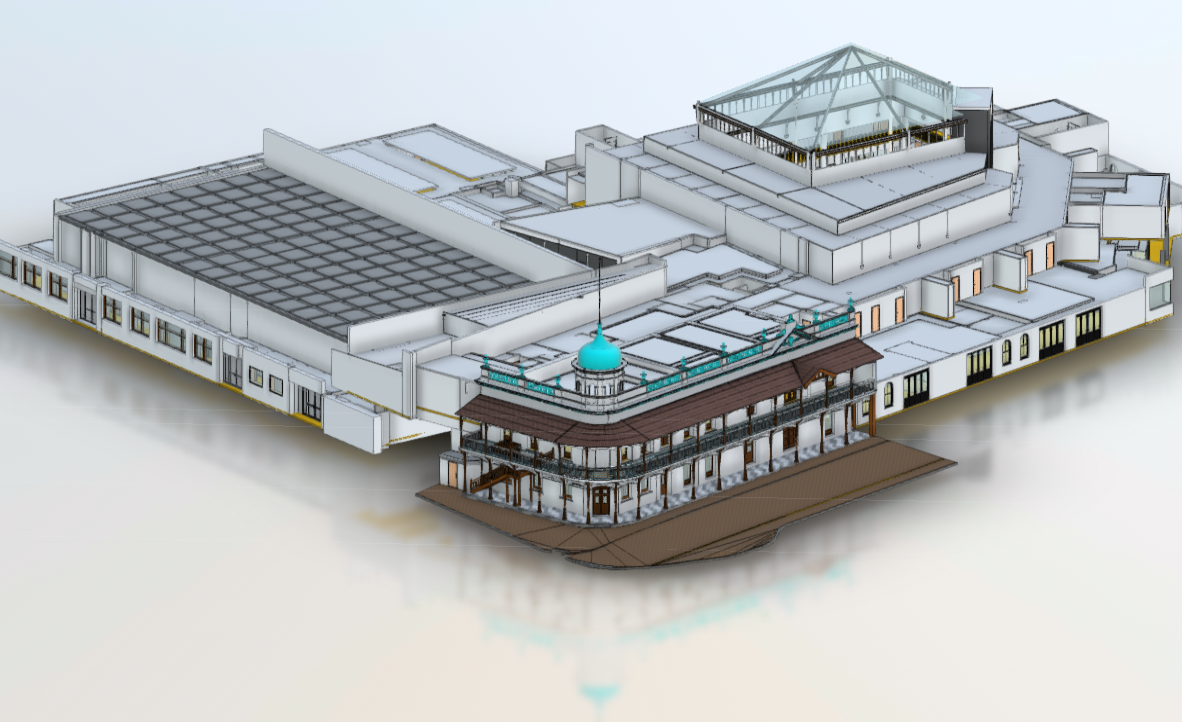
Designers import the processed data into CAD or BIM software to model the balustrade precisely to the scanned geometry. Designers can test various design options and simulate how the finished balustrade will integrate with the stair.
4. Fabrication and Installation
With highly accurate CAD/BIM models, fabricators can prefabricate balustrade components that fit the stairs exactly. This reduces onsite modifications and speeds up installation.
Applications Where 3D Scanning Shines
- Custom Residential Staircases: Achieve perfect fit on curved or floating stairs.
- Heritage Renovations: Precisely document original elements and design sympathetic balustrades.
- Commercial Interiors: Ensure compliance with building codes and design intent.
- Unique Architectural Features: Capture complex geometries that are difficult to measure by hand.